FIT & DEVELOPMENT STRATEGY
Your collection can look like it's doing just fine.
Sales are happening. New styles are dropping. Everyone's busy.
Meanwhile, somewhere in the background:
“Why are we sampling this for the fourth time?”
“Why doesn't bulk look like the approved sample?”
“Why are customers returning this when everyone loved it?”
The problem isn't always obvious.
Fit problems don't start in the fitting room. They can start on your desk.
A block that wasn't properly validated.
Guidelines that live in five different documents.
A pattern adjusted in a hurry.
A fit decision that made sense three samples ago, but nobody remembers why.
A factory filling in the blanks.
Sometimes it really does feel like they're trying to sew with oven mitts on.
Then the range scales up. And so does the chaos.


I'll find the holes in the bucket before you keep pouring more water into it.


How the week works?
PHASE 1 — THE DEVELOPMENT DEEP DIVE
Four days embedded in your business.
This isn't a “sit in the corner and take notes” kind of week.
I'll spend four working days embedded in your business — Monday, Tuesday, Thursday and Friday, up to 6 hours a day — observing your development process in real time to see how everything actually works.
This could get cosy.
Wednesday is a breather day for both parties. I'll use it to start making sense of what I've found.
Then we’ll regroup for another hoorah.
Once I've seen the reality of your process, I'll give you a clear scope for round two.
That might mean tightening up what's already working, or it might mean building new systems, SOPs, technical documents and tools from the ground up.
You don't pay me to guess what your business needs before I've seen it.
We find out first. Then we build what's actually useful.
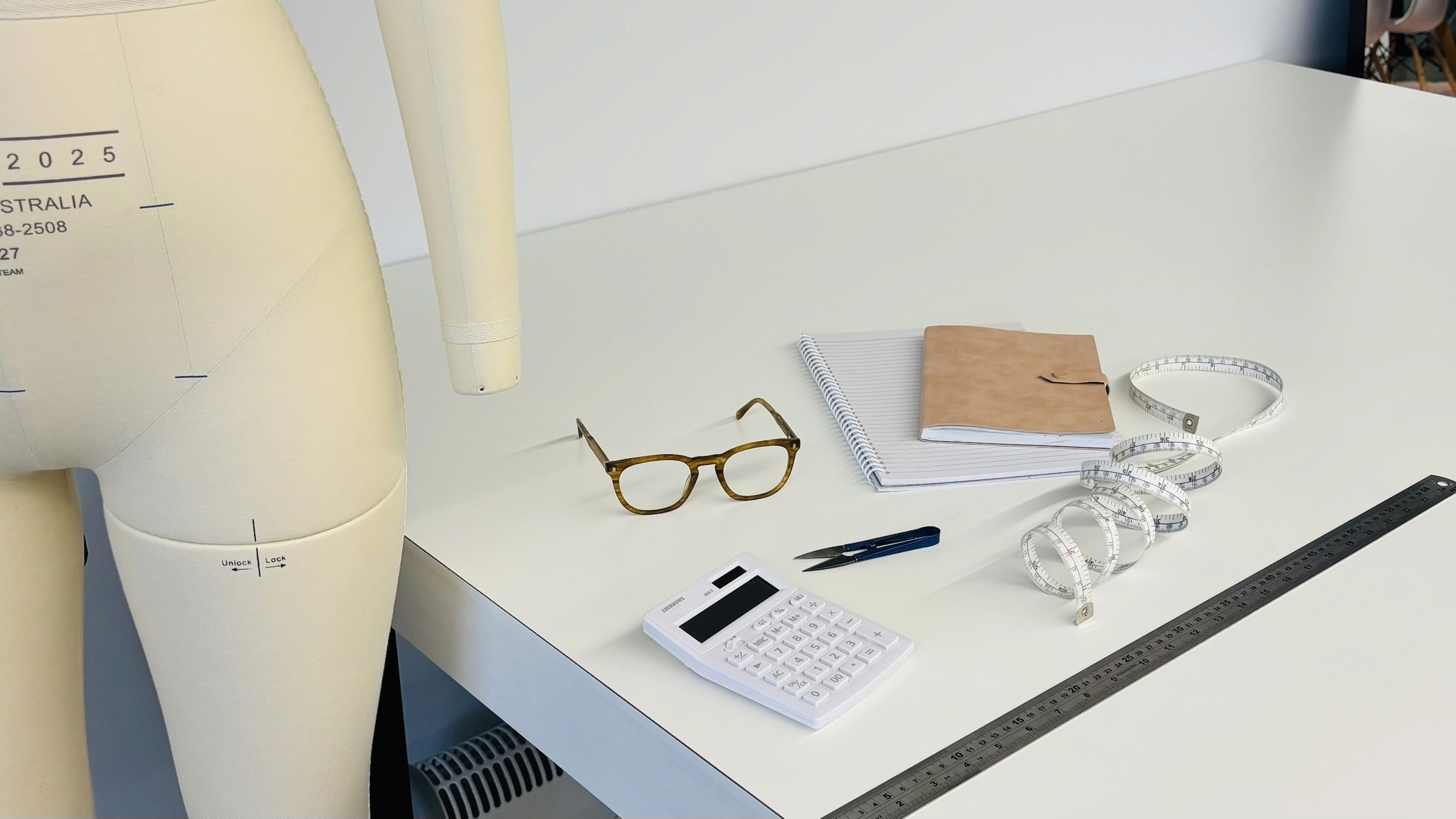
Because your customers aren’t mannequins standing there to look pretty.



PHASE 2 — SCOPE AND BUILD
This is where the findings stop sitting on the bench and start calling plays your team can use.
Depending on what we uncover, this might include new or refined SOPs, fit standards, technical documentation, templates, workflows, checklists or other tools your team needs to make the process work consistently.
Let's party.
Need some numbers to work with?
PHASE 1 — THE DEVELOPMENT DEEP DIVE (PRICING GUIDE)
On-site — $3,400
Four working days embedded in your business (Monday, Tuesday, Thursday, Friday, up to 6 hours a day), including the Friday diagnosis conversation and a written summary of findings and recommendations.
Remote — $2,200
Three one hour calls a day across the same four days, with the same depth of analysis and a written diagnosis to follow.
PHASE 2 — SCOPE AND BUILD (PRICING GUIDE)
Phase 2 (the build) is scoped after Phase 1, based on what your business actually needs, and nothing you don't. Here's an idea of what that could look like:
SOP documents (tailored to your brand) — from $150 each
Technical Standards Guide — from $400
Process Map — from $350
What makes this different?
Because I'm not looking at your process from a spreadsheet.
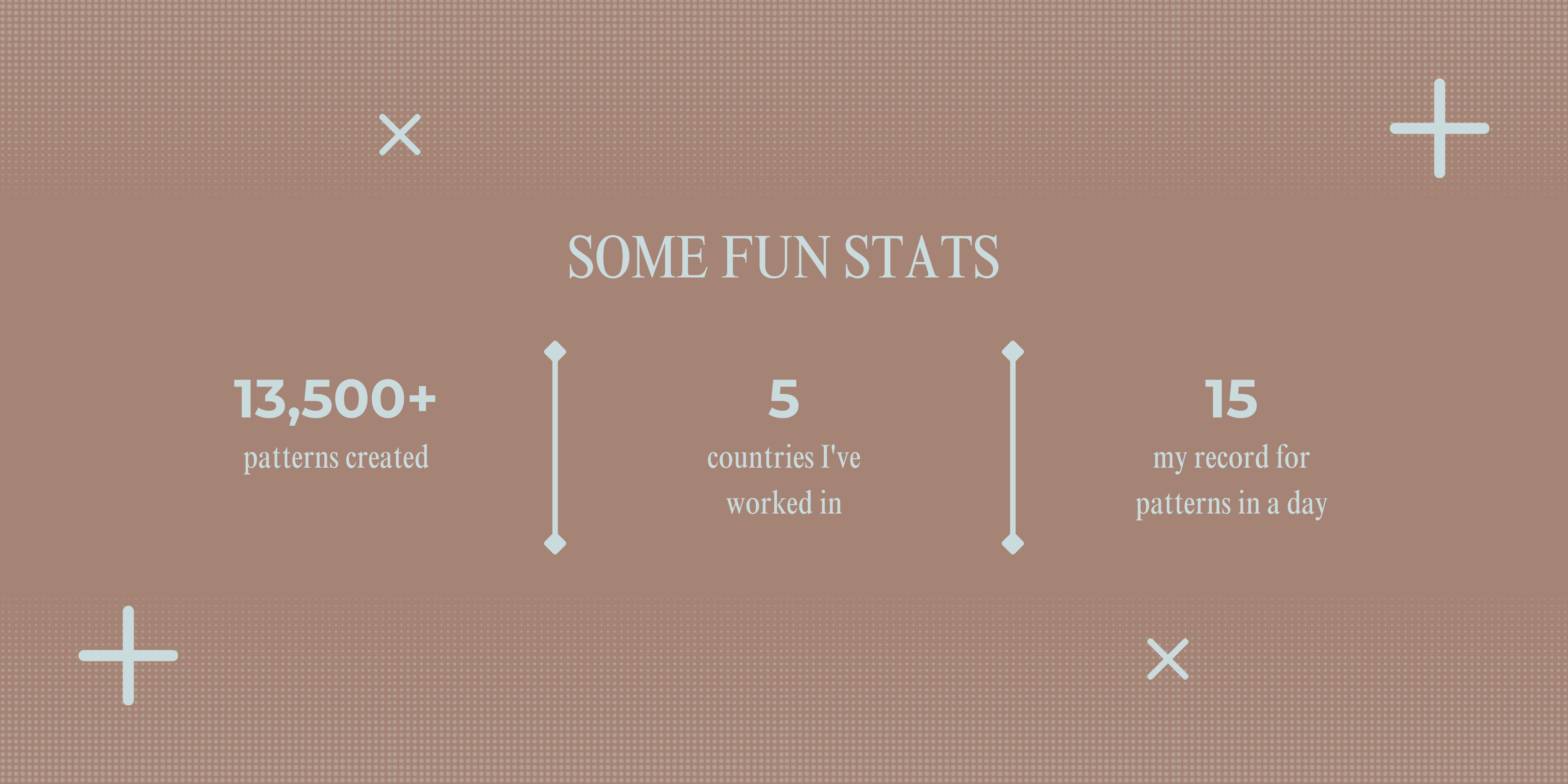
20+ years in garment development.
13,500+ patterns.
A ridiculous number of fittings…
I've got the smile lines to prove it.
Why does experience matter?
International manufacturing across Australia, New Zealand, the UK, Sri Lanka and Fiji.
I've been on the factory floor watching a 2D pattern become a 3D garment.
I've been in the fittings.
I've seen the production quirks.
And I've had plenty of “the execution got lost in translation somewhere near Mars” conversations.
I've also seen what happens when someone takes a “she'll be right” approach to a small technical issue.
Next minute, the whole team has stopped what they're doing to measure 200+ units.
That tiny corner that was cut? It just cost a small fortune.
So I'm not just asking: “What's going wrong?”
I'm asking: “Where did it start?”
And more importantly: “How do we stop it happening again?”
Because that's the difference between fixing a garment and fixing the system that keeps producing the problem.

The goal isn't a prettier process diagram.